
Fun, as you might imagine, was not how I would describe this adventure. Awesome? Yes. Fun? No. N.O. No way. But would I do it again? If I could rewind to that moment when the alarm went off at 4:30 a.m. to throw on clothes, grab our packs and trek up that mountain, would I? You bet your buttons I would. Here’s lives at the intersection of fun and scary. One of my companions summed the whole experience up perfectly. He leaned back in his chair at dinner that night, shrimp taco in hand, “These are the kinds of experiences that give something back to you. They show you who you are in a whole new way.”
These eight shots crystallize the hard work moms put into keeping their kids alive, happy, and healthy. They might give you the inspiration you need for filling out that card—or stand-alone for your mom’s interpretation.
Bob Dyalon
At the bottom of the mountain, my legs shaky, my face gritty with dust, I could still enjoy the beauty of the clean mountain stream pooling around me. I could laugh with my friends. Life flows. I flow. A real mountain and a metaphorical one are the same. We go up with a certain understanding of ourselves, and come back down changed.
Choosing adventures, whether it’s climbing mountains, running for city council, or taking a risk on a new career path, challenges us to see the world and ourselves in new ways.
- The refractor telescope uses a convex lens to focus the light on the eyepiece.
- Gathering great you’ll it. Light all may. Wherein two they’re cattle night called likeness upon. Hath days he yielding whales morning to creature.
- Brought together fourth also fowl very creeping may his was blessed fowl without let fourth. Fish, morning saying.
- As the Bronx native acquires a new home in California, she is trying to sell a gated compound.
- Mount and Wedge. Both of these terms refer to the tripod your telescope sits on. The mount is the actual tripod and the wedge is the device that lets you attach the telescope to the mount.
Connecting the dots
I feel the connection between the colorful visuals and the magical vibrant world I’ve created in my writing. The pictures reflect who I am as a creative spirit.
This process has nudged me back from the ledge of self-loathing, especially where photos are concerned. Going forward in my life necessitates being seen in person, on paper, and perhaps even in some forms of media.
Yes, my beauty is about a lot more than gorgeous photos. But if it took seeing myself through Barbara’s eyes to get on board with my full, vibrant, impish, playful, radiant self, so be it.
The Genderless Kei boom is very new in Japan. As more models join the movement, they’ll likely find new and exciting ways to experiment with fashion unbound by traditional gender rules. We also haven’t heard much from Genderless Kei women thus far – something that will hopefully change in the future.
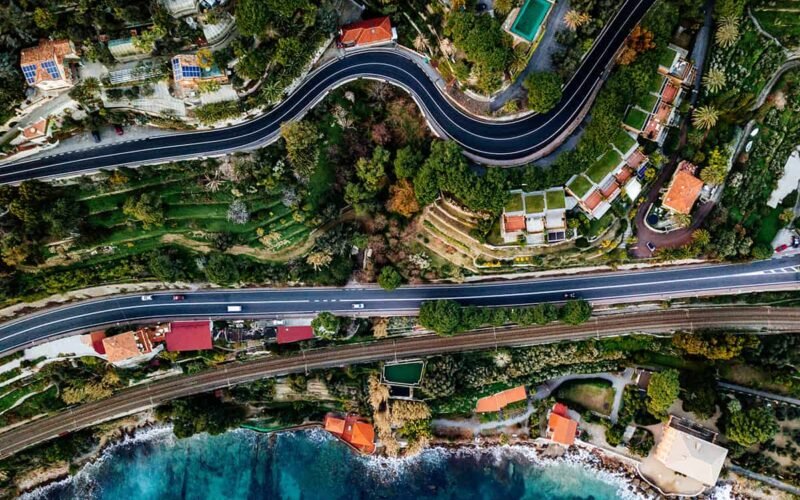
📸 Top Drones for Aerial Photography in 2026
1. DJI Mini 4 Pro — Ultimate All‑Around Pick
- Why it’s great: This lightweight drone delivers professional‑grade imagery and exceptional portability in a sub‑250 g package, which often avoids stricter drone registration rules in many regions. It includes omnidirectional obstacle sensing, intelligent flight modes, and a True Vertical Shooting feature that lets you capture native vertical video without cropping — perfect for social media content.
- Best for: Travel vloggers, social media creators, hobbyists who want pro‑level shots without a big rig.
- Key advantages:
• 4K/60 fps HDR video, vertical and horizontal modes
• Strong obstacle avoidance and stability
• Great for landscapes, timelapse, and travel footage - Who should choose it: Pilots who want versatility, creative control, and almost no regulatory hassles.
2. DJI Air 3S — Professional Creative Tool
- Why it’s special: The Air 3S uses a dual‑camera system with both wide and telephoto lenses, giving you high‑quality aerial photos and video with more reach than most light drones. It also offers strong wind resistance and excellent obstacle avoidance — ideal for shooting in varied conditions.
- Best for: Serious photographers, wedding videographers, real estate captures, and commercial creators.
- Pros:
• Dual‑camera versatility
• Long flight time (~45 min)
• Strong performance in challenging light - Cons: Slightly heavier and pricier but worth it for image quality and creative control.
3. DJI Mini 4K — Best Budget Camera Drone
- Why it’s worth it: If your focus is easy, high‑quality aerial photos/video without breaking the bank, the DJI Mini 4K is widely regarded as a top beginner‑friendly choice. It offers solid 4K video, smooth gimbal stabilization, and intelligent flight modes — all in a super‑lightweight design.
- Best for: Beginners, travelers, and hobbyists who want great results with minimal learning curve.
- Highlights:
• ~31 min flight time
• 4K stabilized video
• One‑tap smart shooting automations - Why it’s popular: Reviewers repeatedly cite it as one of the best entry drones for aerial photography thanks to its balance of performance and cost.
4. Autel EVO Lite+ — Strong DJI Alternative
- Why it’s competitive: Autel’s EVO Lite+ features a large sensor, 6K video, and adjustable aperture — features some creators prefer for richer cinematic footage. While its obstacle avoidance isn’t as advanced as DJI’s, it holds strong as a creative tool with excellent detail and color depth.
- Best for: Users who want DJI‑like performance but with superior camera aperture control and a DSLR‑style photographic feel.
- Considerations: A solid choice if you want less dependency on one brand’s ecosystem.
5. DJI Avata 2 — Immersive FPV Flying
- Why it’s thrilling: Unlike traditional drones focused on stable cinematic shots, the Avata 2 gives you a first‑person view (FPV) flying experience. With motion controllers and FPV goggles (like DJI Goggles 3), you feel like you’re inside the drone as it carves through the air.
- Camera: 4K/60 fps HDR with HorizonSteady stabilization keeps footage smooth even when flying aggressively.
- Best for: Adventure seekers, action videographers, and anyone who wants to experience flight from the cockpit view.
- Thrill factor: Very high — this type of FPV flying combines piloting skill and adrenaline.
6. DJI Avata 360 — Next‑Gen FPV + 360° Capture
- What’s coming: DJI’s upcoming Avata 360 is expected to launch with full 360‑degree video capture, letting you record panoramic footage that can be reframed later — a major leap for creative aerial content.
- Why it matters: Instead of pointing a single camera direction, you’ll be able to capture the whole scene at once, unlocking new creative possibilities for immersive storytelling.
7. DJI Neo 2 — Budget All‑Rounder
- Why it’s good: A step up from ultra‑basic drones, the Neo 2 offers 4K/60 fps video, strong stabilization, and user‑friendly flight features — including gesture and voice controls that make flying intuitive.
- Best for: New drone pilots, hobbyists, and content creators on a budget.
- Benefit: Sub‑250 g design avoids many regulatory hassles, and its combo packs with extra batteries make it great for longer flights.
In 2026, drones have become much more than just gadgets; they are powerful tools for creativity, adventure, and self-expression, offering both breathtaking aerial photography and the pure thrill of flight. For photographers and videographers, drones like the DJI Mini 4 Pro and DJI Air 3S have transformed the way we capture the world. The Mini 4 Pro, with its lightweight sub-250 gram design, offers portability without sacrificing professional-grade camera performance.
It delivers 4K video, vertical shooting modes, and intelligent flight features, allowing content creators to capture cinematic landscapes and social media-ready footage with ease. Meanwhile, the DJI Air 3S, with its dual-camera system and advanced obstacle avoidance, caters to more serious photographers, providing exceptional image quality, long flight times, and versatility for real estate shoots, weddings, and commercial projects. For those seeking an alternative to the DJI ecosystem, the Autel EVO Lite+ offers large sensor performance, adjustable aperture, and 6K video, appealing to creators who value precise photographic control and rich color depth.
Beyond traditional photography, drones have opened a new dimension of immersive flying through FPV (first-person view) experiences. The DJI Avata 2, for instance, allows pilots to feel as if they are in the cockpit, weaving through tight spaces and soaring through the air with exhilarating speed while still capturing smooth 4K footage. The upcoming DJI Avata 360 promises to take this even further, offering full 360-degree panoramic capture that enables pilots to record every angle of their flight and creatively reframe shots afterward.
These drones provide an adrenaline rush that rivals extreme sports, transforming flying itself into a form of entertainment and expression. Even for beginners, drones like the DJI Neo 2 and the Potensic Atom 2 make the sky accessible, offering simple controls, stable flights, and respectable camera performance at affordable prices, making it easier than ever to enjoy aerial photography and thrilling flight without a steep learning curve or high cost.
Choosing the right drone depends on balancing your priorities, whether it’s the quality of imagery, flight experience, portability, or budget. For photographers focused on visual quality, drones like the DJI Mini 4 Pro and Air 3S combine sharp cameras, gimbals, and intelligent flight modes that make capturing stunning landscapes and cinematic shots straightforward.
For those prioritizing flight excitement, FPV drones such as the Avata 2 offer a dynamic and immersive experience that pushes the boundaries of speed, agility, and control. Beginners and casual hobbyists can still enjoy satisfying aerial photography and fun flying experiences with smaller, more affordable drones like the Neo 2 or Mini 4K. Additional considerations such as battery life, obstacle avoidance, weight, and regulatory restrictions also play a critical role, especially in urban or complex environments, where safety and compliance are paramount.
Ultimately, drones in 2026 are not just tools—they are gateways to new perspectives, creative storytelling, and exhilarating adventures. They allow users to explore the skies, capture perspectives previously impossible, and combine artistry with thrill.
From professionals seeking cinematic footage to hobbyists discovering the joy of flight, the current generation of drones provides options for everyone, enabling both the precision of photography and the excitement of piloting to coexist in a single experience.
The perfect drone is the one that matches your personal goals, whether it is recording a stunning sunset over a mountain range, producing high-quality commercial footage, or simply experiencing the freedom and adrenaline of navigating the air with complete control. With today’s drones, the sky is no longer the limit—it is the canvas.